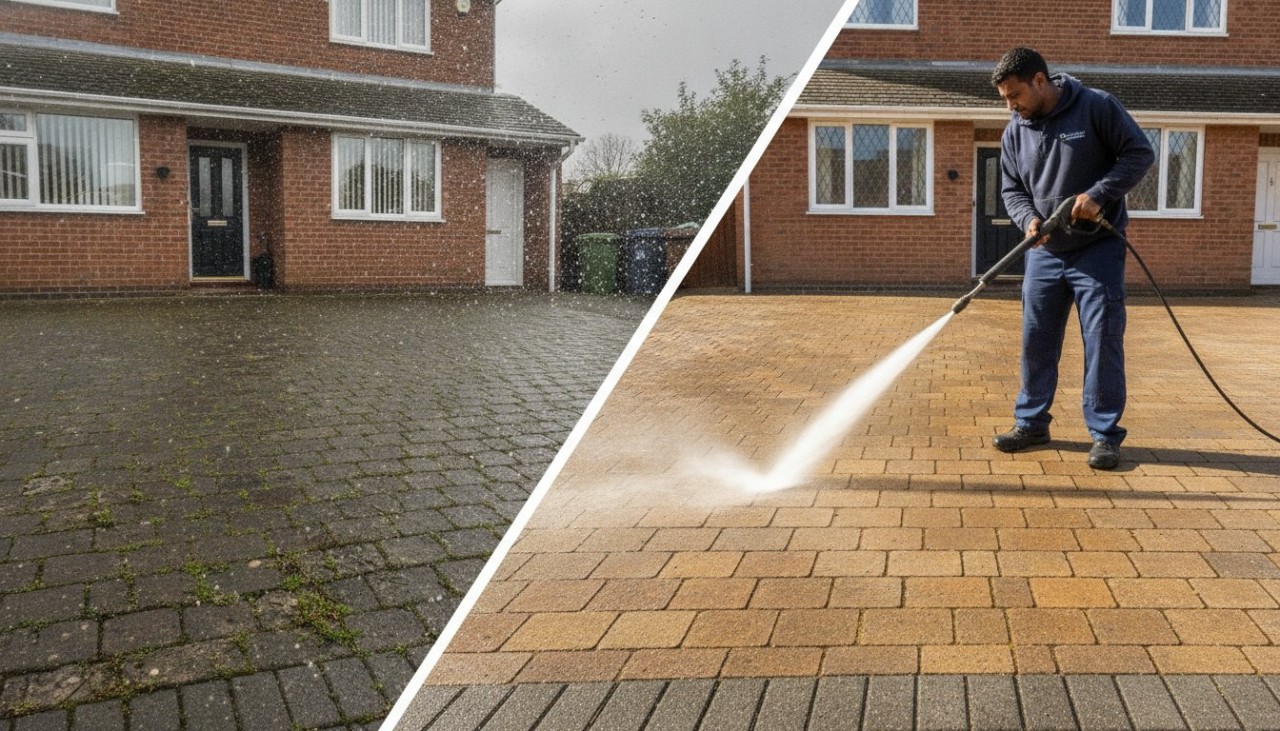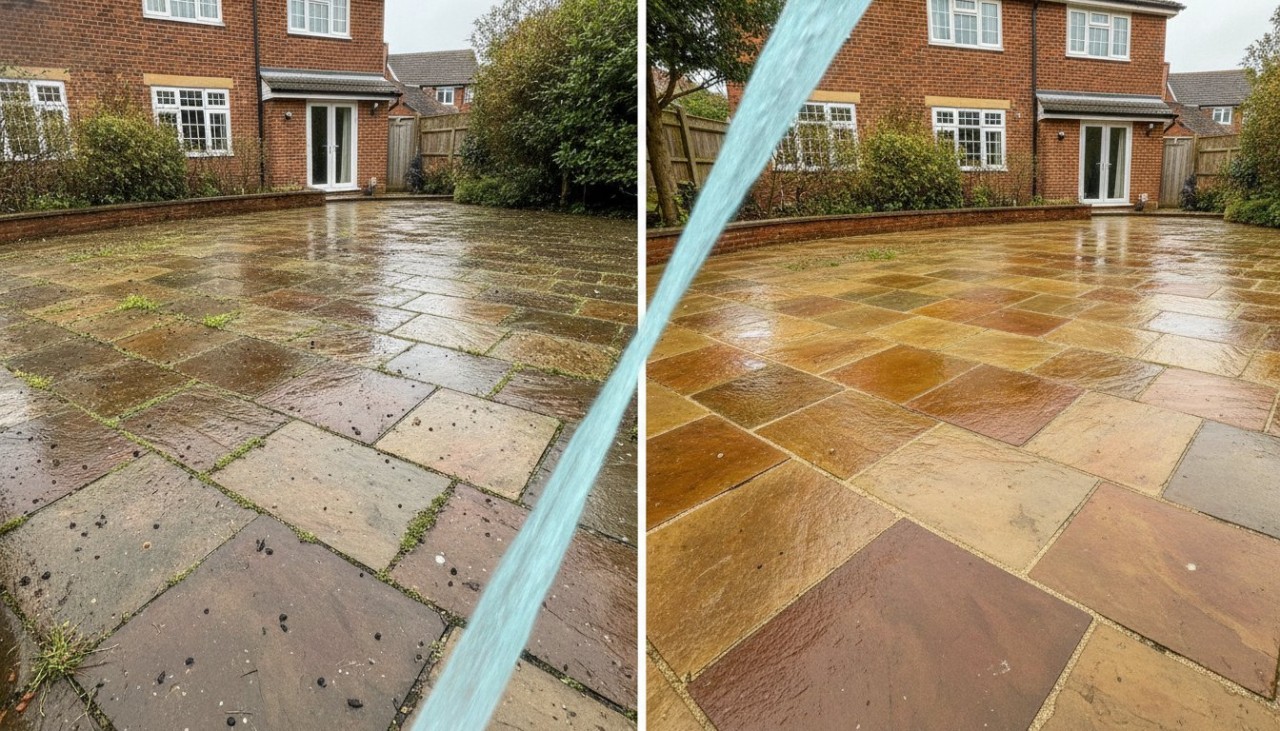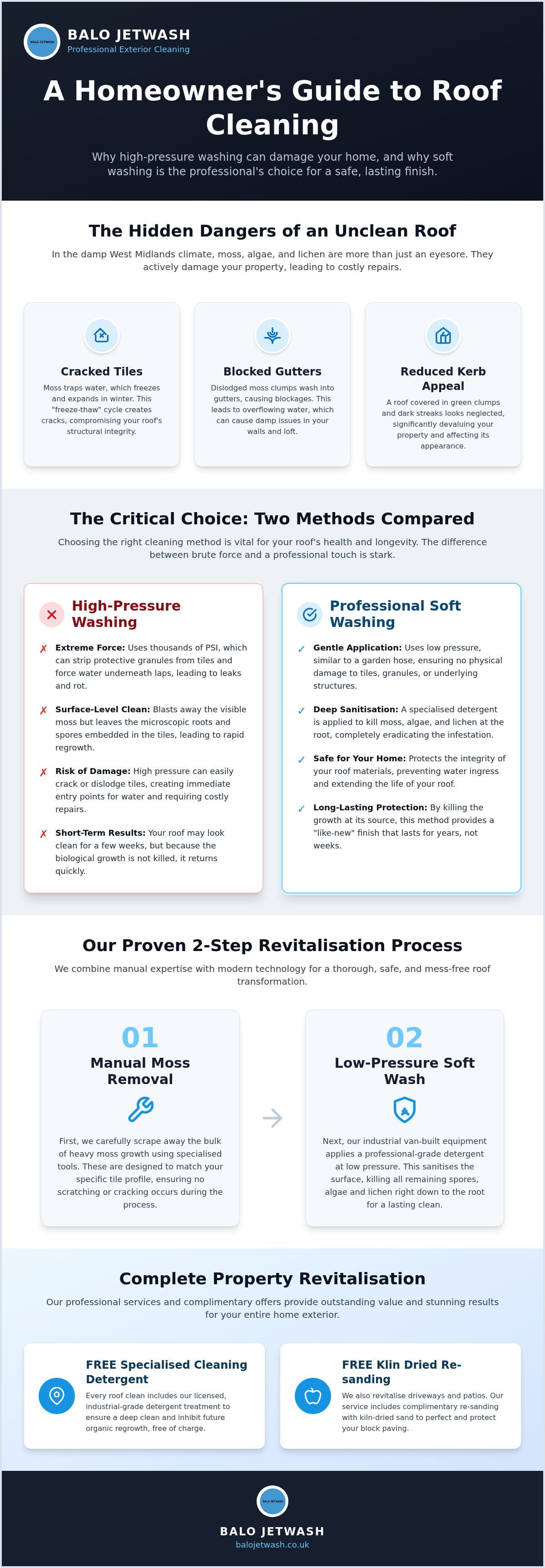
Your home's exterior is the first thing people see, but is it currently telling the right story? A dirty driveway or a moss-covered roof does more than just look untidy; it actively drags down your property's value and creates genuine safety risks. If you're a homeowner in Sutton Coldfield, Wolverhampton, or Solihull searching for professional jetwashing, you've probably noticed those slippery algae patches on your patio making every rainy day a gamble. It's frustrating to watch stubborn weeds push through your expensive block paving, leaving your outdoor space looking neglected and tired!
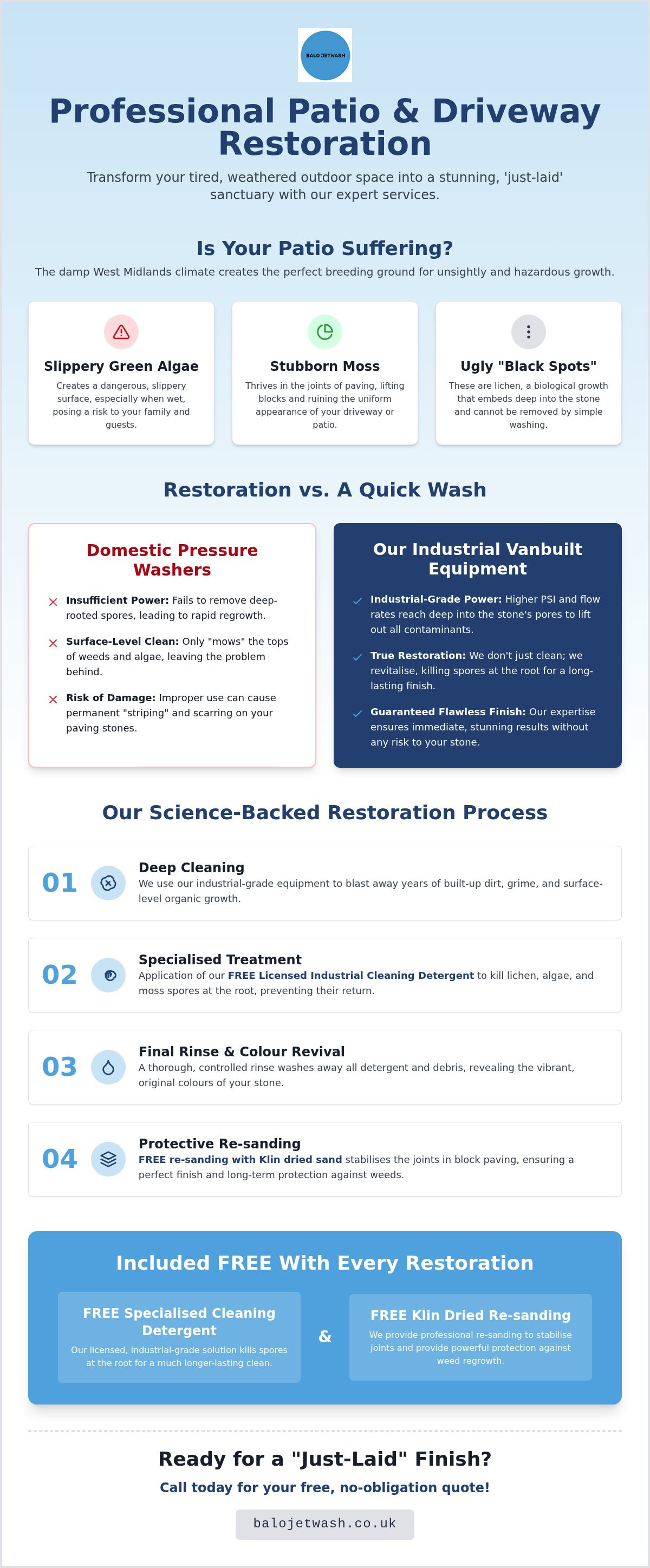
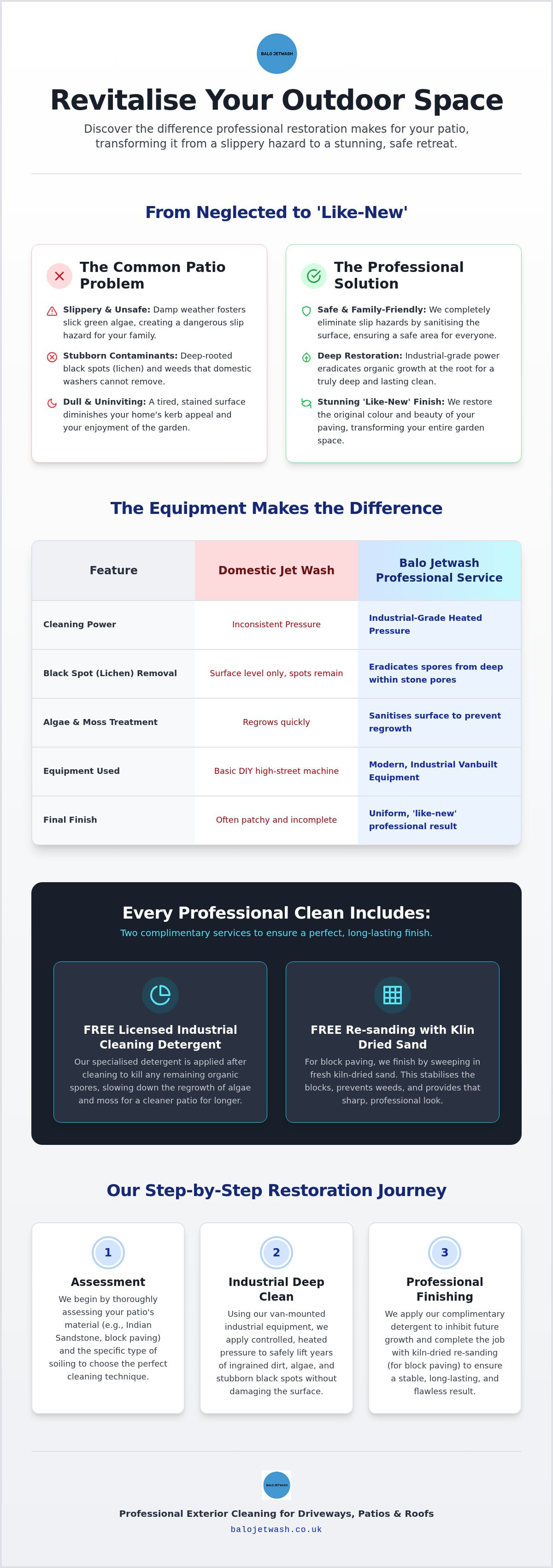
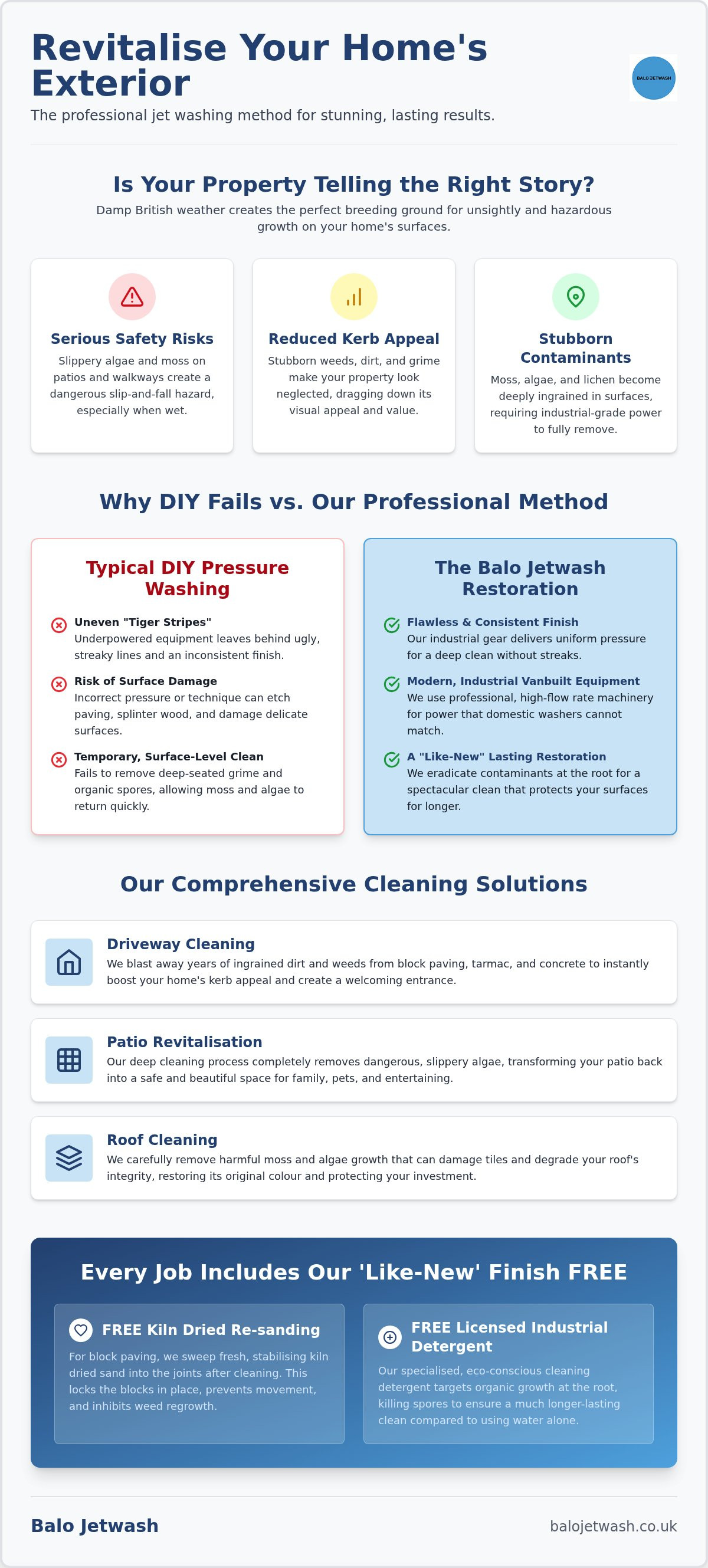
We at Balo Jetwash believe your home deserves to shine with pride. You shouldn't have to settle for anything less than a "like-new" finish that lasts. In this article, we'll show you how our industrial-grade restoration process transforms even the most weathered surfaces into stunning features. You'll learn about the incredible results achieved with our Modern, Industrial Vanbuilt equipment and why we include FREE Licensed Industrial Cleaning Detergent with every job. We also explain how our FREE re-sanding with Kiln dried sand ensures your driveway stays stable and beautiful for the long haul. Get ready to reclaim your kerb appeal and enjoy a safe, non-slip outdoor area for the whole family!
Key Takeaways
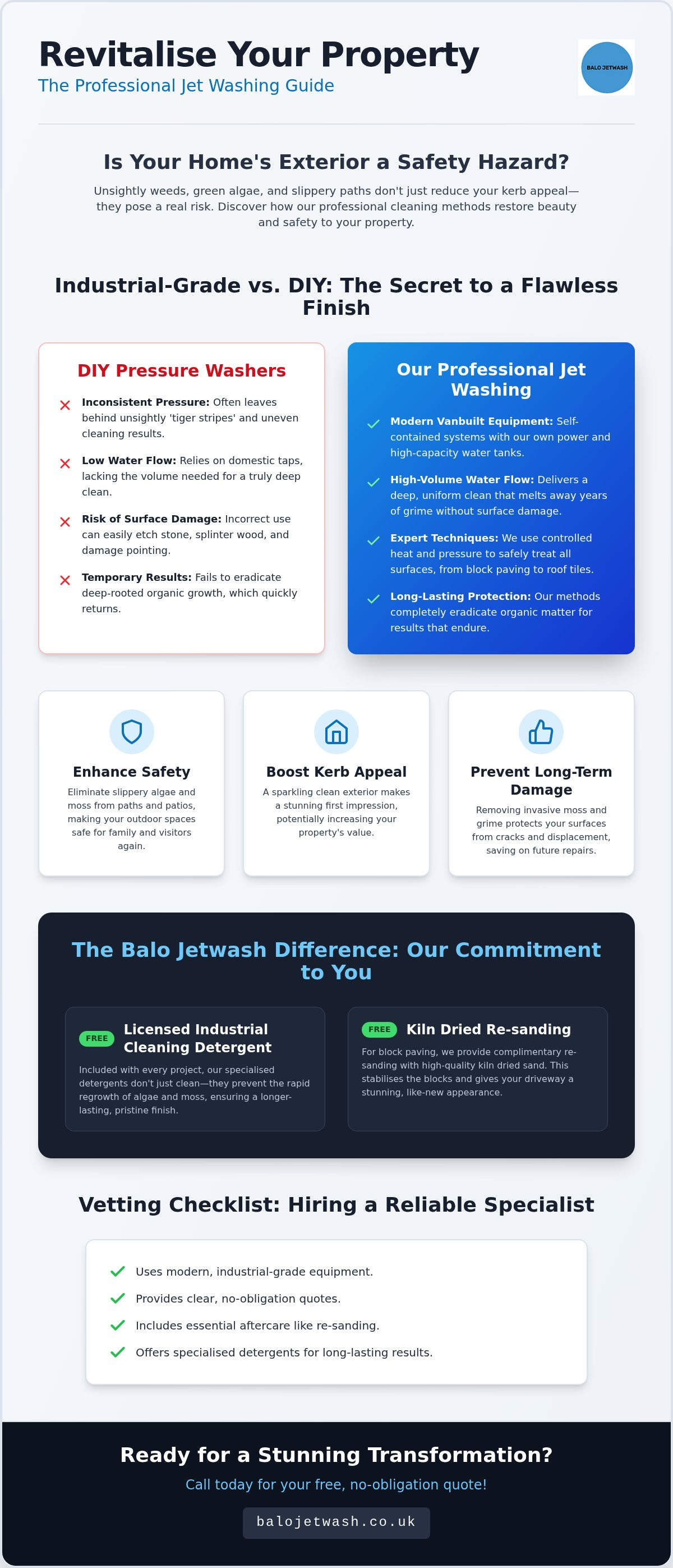
Understand why professional jetwashing arbury is essential to combat the damp local conditions that cause dangerous, slippery algae and moss growth. Learn why our Modern, Industrial Vanbuilt equipment delivers a deep, consistent clean that domestic pressure washers simply cannot match. Discover the hidden risks of DIY cleaning, such as uneven "tiger stripes" and surface damage, and how professional methods ensure a flawless finish. Find out how to achieve a "like-new" restoration with our FREE re-sanding with Klin dried sand and FREE Licensed Industrial Cleaning Detergent. See how tailored cleaning for driveways, patios, and roofs can instantly boost your property's kerb appeal and create a safe environment for your family.Why Your Arbury Property Needs Professional Jetwashing
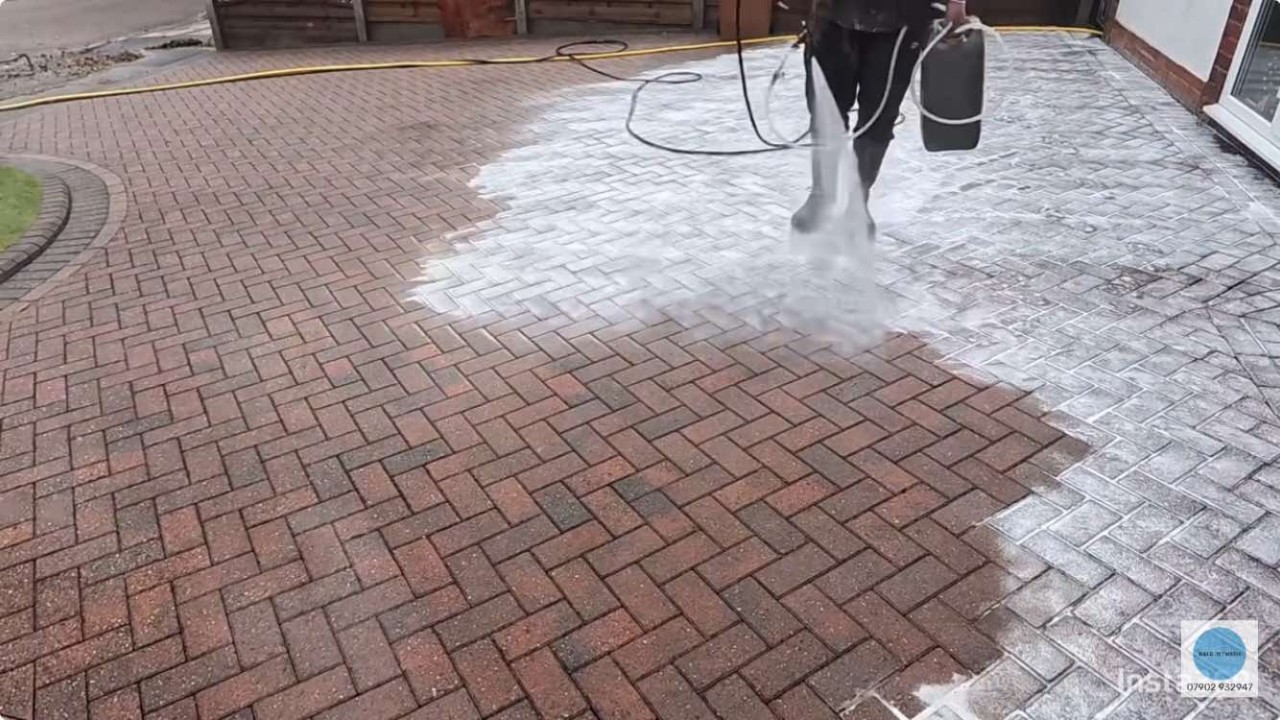
Living in Arbury means dealing with the classic British weather, which often leaves our outdoor surfaces damp and shaded. These conditions are the perfect breeding ground for rapid algae and moss growth. It doesn't take long for a beautiful stone patio or a crisp brick driveway to lose its lustre. You might wonder, what is pressure washing exactly? While many think it's just a quick rinse with a garden hose, professional jetwashing arbury is a meticulous deep-cleaning process. We focus on removing stubborn organic growth and ingrained dirt that domestic machines simply can't reach. Our Modern, Industrial Vanbuilt equipment provides the sheer power needed to revitalise your home's exterior instantly!
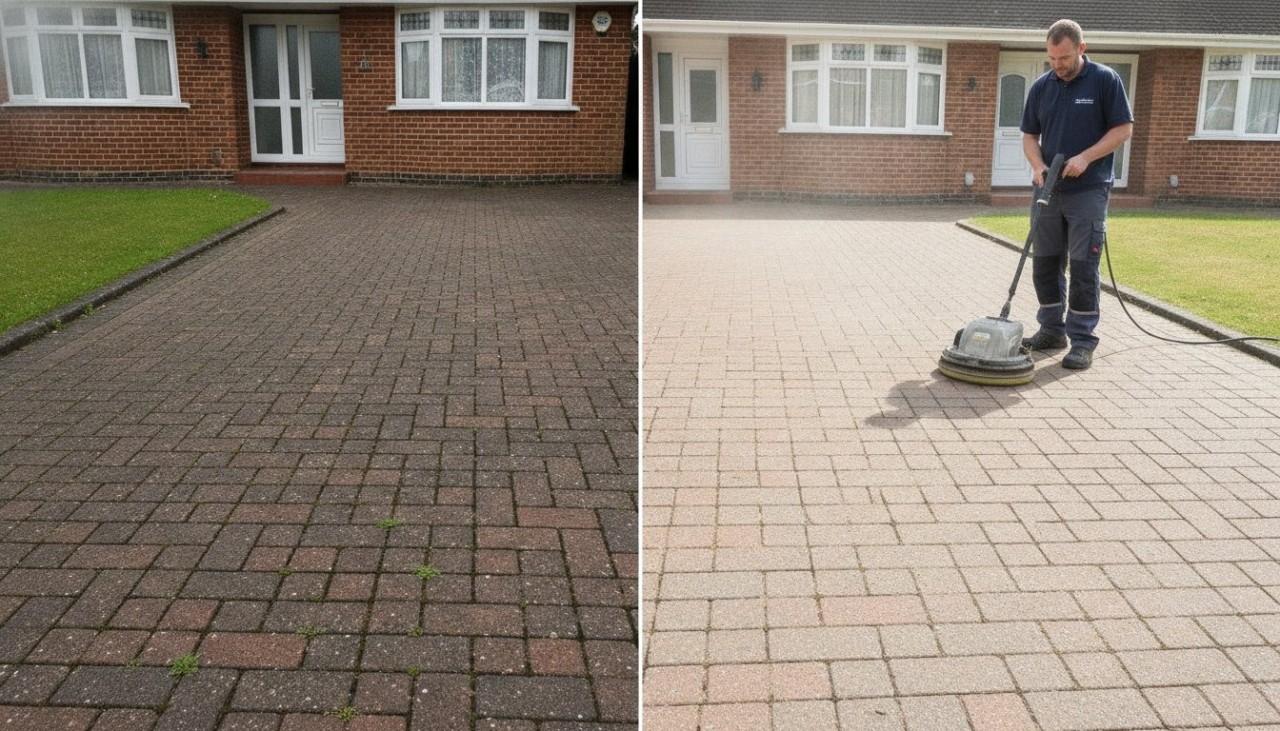
The results are immediate and transformative. We don't just move the dirt around; we blast away years of neglect to reveal the vibrant property features hidden beneath the grime. A professional surface revitalisation breathes new life into your stone, making it look as fresh as the day it was laid. It is the difference between a temporary tidy-up and a long-lasting restoration that makes you feel proud to pull into your driveway every single evening.